Don’t Mess With My Shnatz!
Today’s episode explores everything to do with sleep, and how we talk about it in Hebrew.
Read More: Don’t Mess With My Shnatz!

Today’s episode explores everything to do with sleep, and how we talk about it in Hebrew.
Read More: Don’t Mess With My Shnatz!
This is our 100th podcast episode – time to say, “toda raba.” So on this special occasion, we’ll learn how to thank someone both profusely and cynically in Hebrew.
Read More: Celebrating 100 Episodes by Saying Toda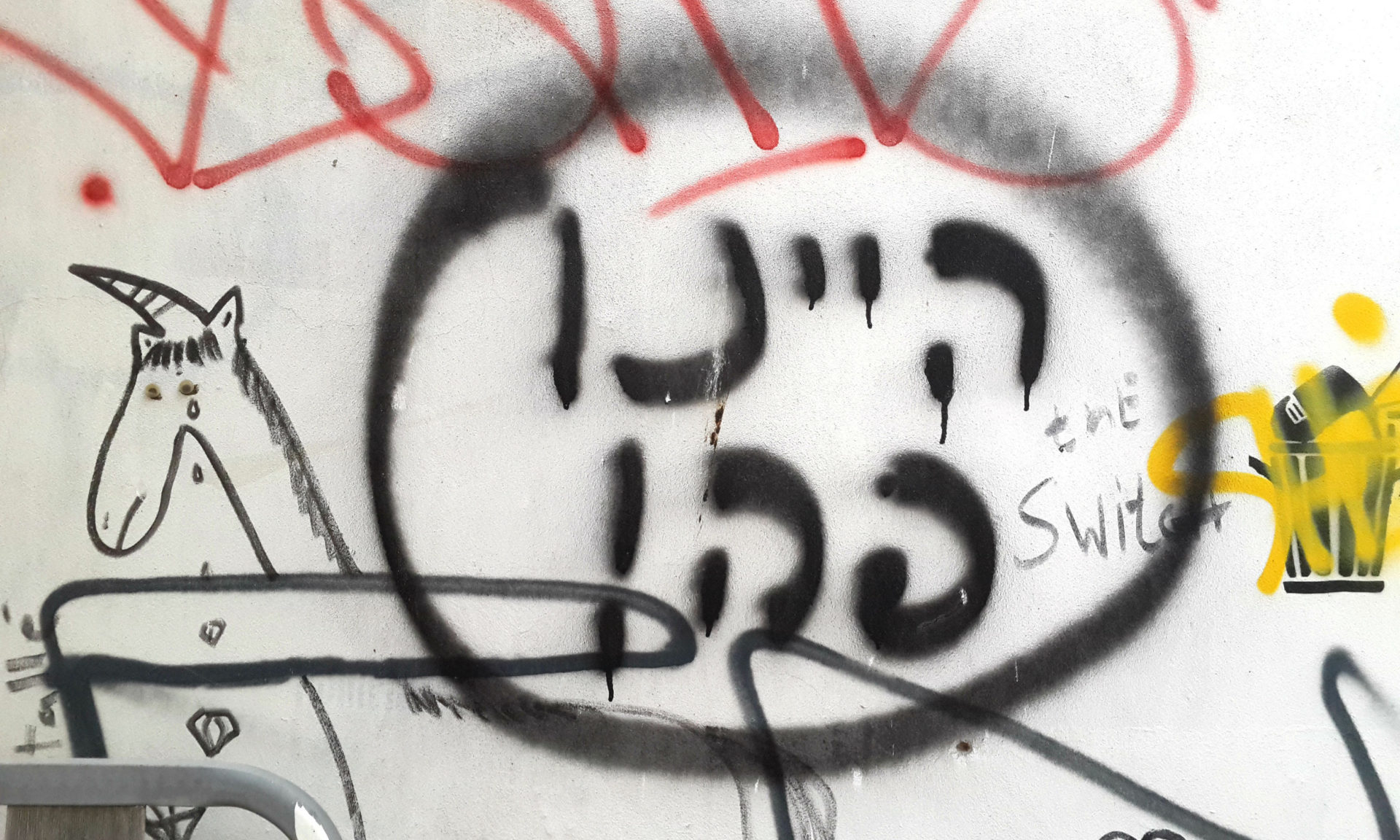
Hebrew has this interesting structure: Verb “haya” (past tense of “to be”) plus a conjugated verb in the present, like “hayiti holech.”
Read More: Shoulda Coulda Woulda
An עוזר is an “assistant,” but could also mean “he’s helping” – a verb in the present tense. How are you supposed to know which one it is?
Read More: Be’Ezrat Ha-Shem: A Helping Hand With Your Hebrew
Guy teaches us the important Hebrew words that come from the root “ע.מ.ד” including “la’amod” – “to stand.”
Read More: “Amud”: A Pole of Good Standing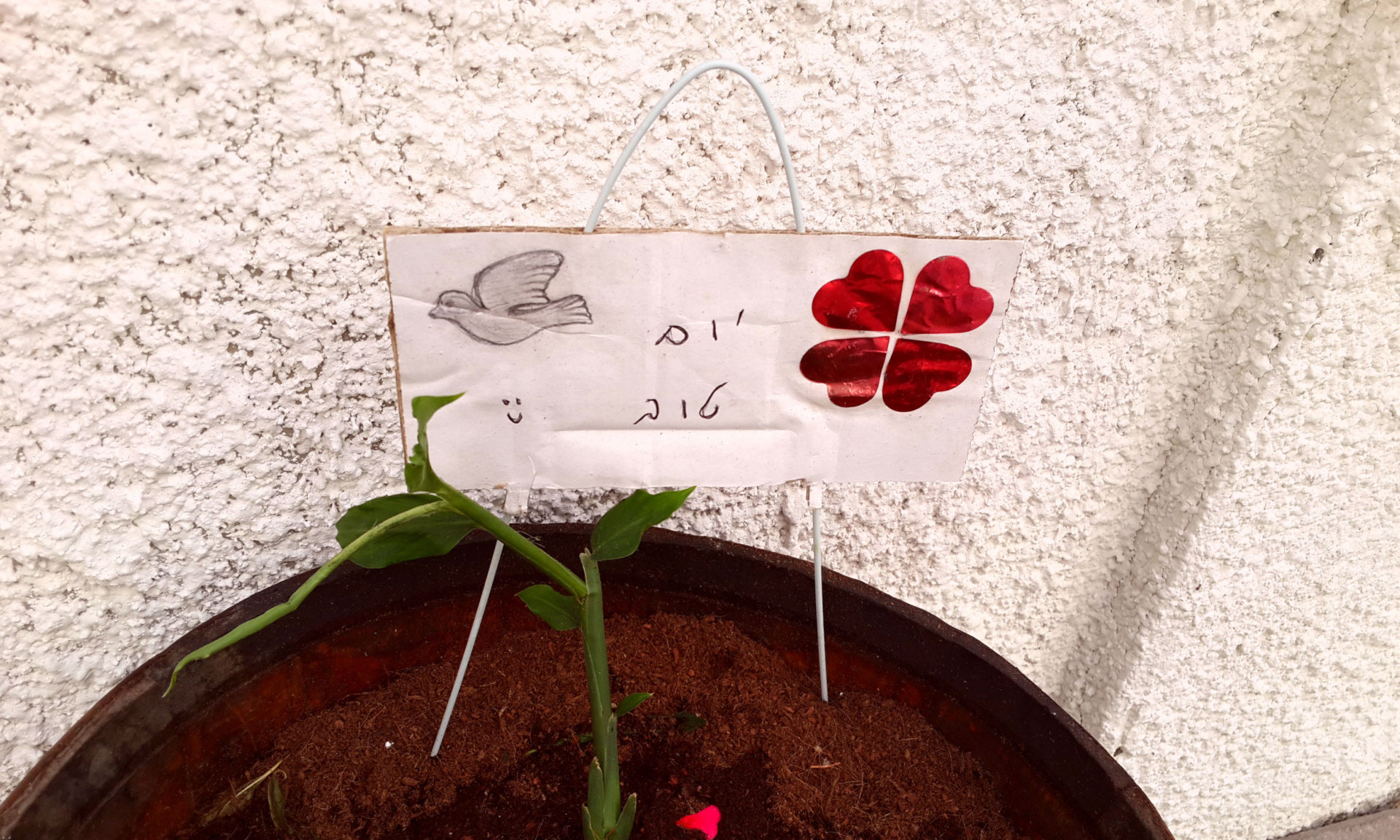
In English, wishing someone a good day is so easy. But in Hebrew, you have to take into account a few different things, like gender for instance.
Read More: May Every Day Be a Streetwise Day!
Many things “happen” here in the Holy Land, which is why the root “kara” – ק.ר.ה – with all its derivatives, is so popular.
Read More: In Case of Emergency, Call Streetwise Hebrew
Today we’ll learn words and phrases you’ll hear on the phone while on hold, plus a tip how to quickly reach a real live customer service rep.
Read More: Please Press Pound. You’re on Ma’ane Koli
תאומים are twins, from the root תאמ. This Hebrew root is also used for things relating to matching, fitting, and coordinating. Mat’im lachem?
Read More: Sometimes the Best Things Come in Pairs
The Hebrew word ‘sherut’ means ‘service,’ but the plural – ‘sherutim’ – is more commonly used to mean something quite different
Read More: Which Way to the ‘Sherutim’?