So, Then…
English has ‘like’ and ‘kinda’. What do Hebrew speakers use as fillers? And what did we borrow from Arabic?
Read More: So, Then…

English has ‘like’ and ‘kinda’. What do Hebrew speakers use as fillers? And what did we borrow from Arabic?
Read More: So, Then…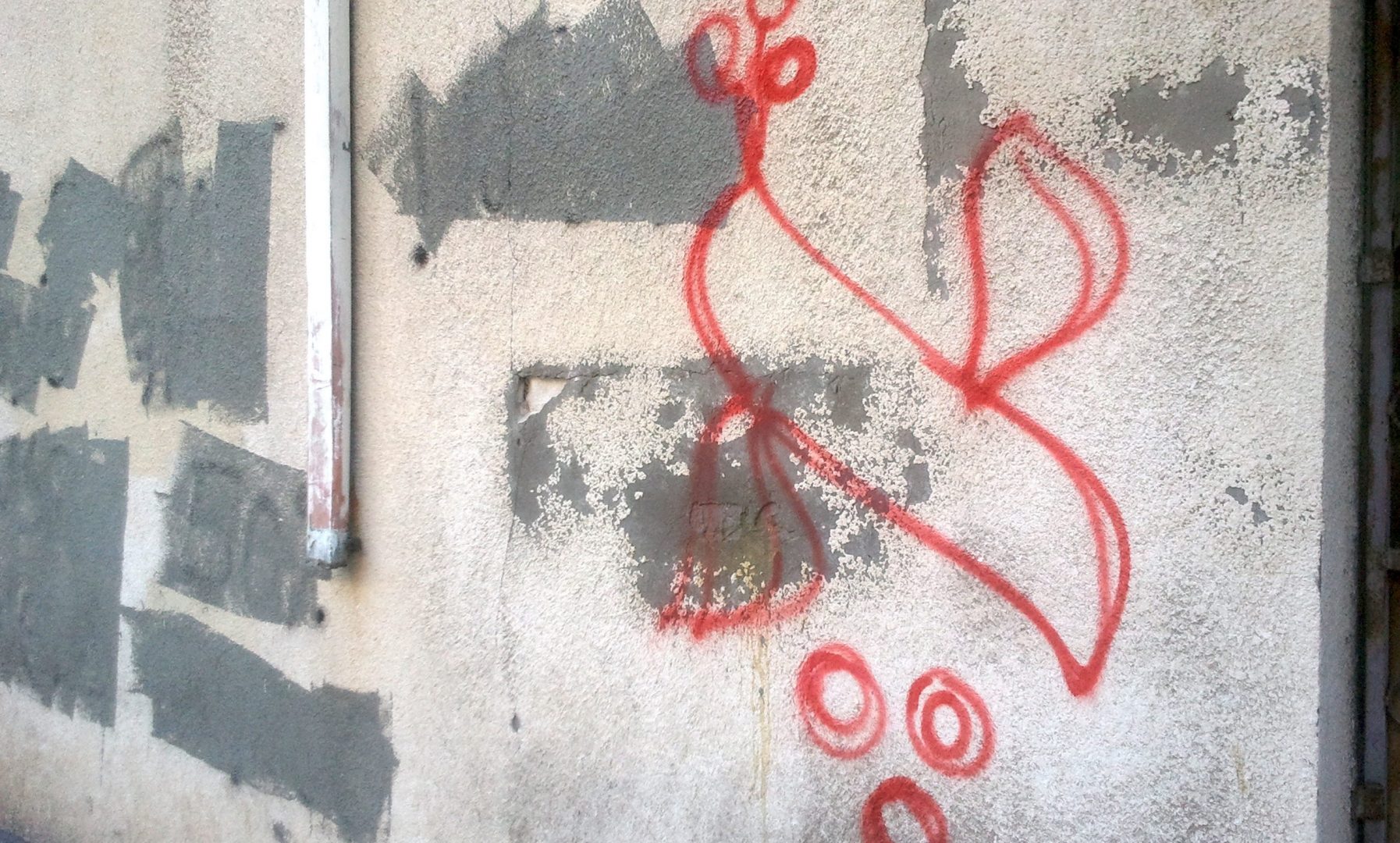
Guy talks about fillers like ‘Eh’ in Hebrew and about other things we say when we try to think and talk at the same time.
Read More: Ummm . . . Uhhh . . . Errr . . .
How do you say “about 30 people” in Hebrew? How about “around the 7th or the 8th” of the month? Or perhaps “he’s about 50-60 year old?” Guy discusses the Hebrew words for around, about, and those other tentative things.
Read More: Something Like That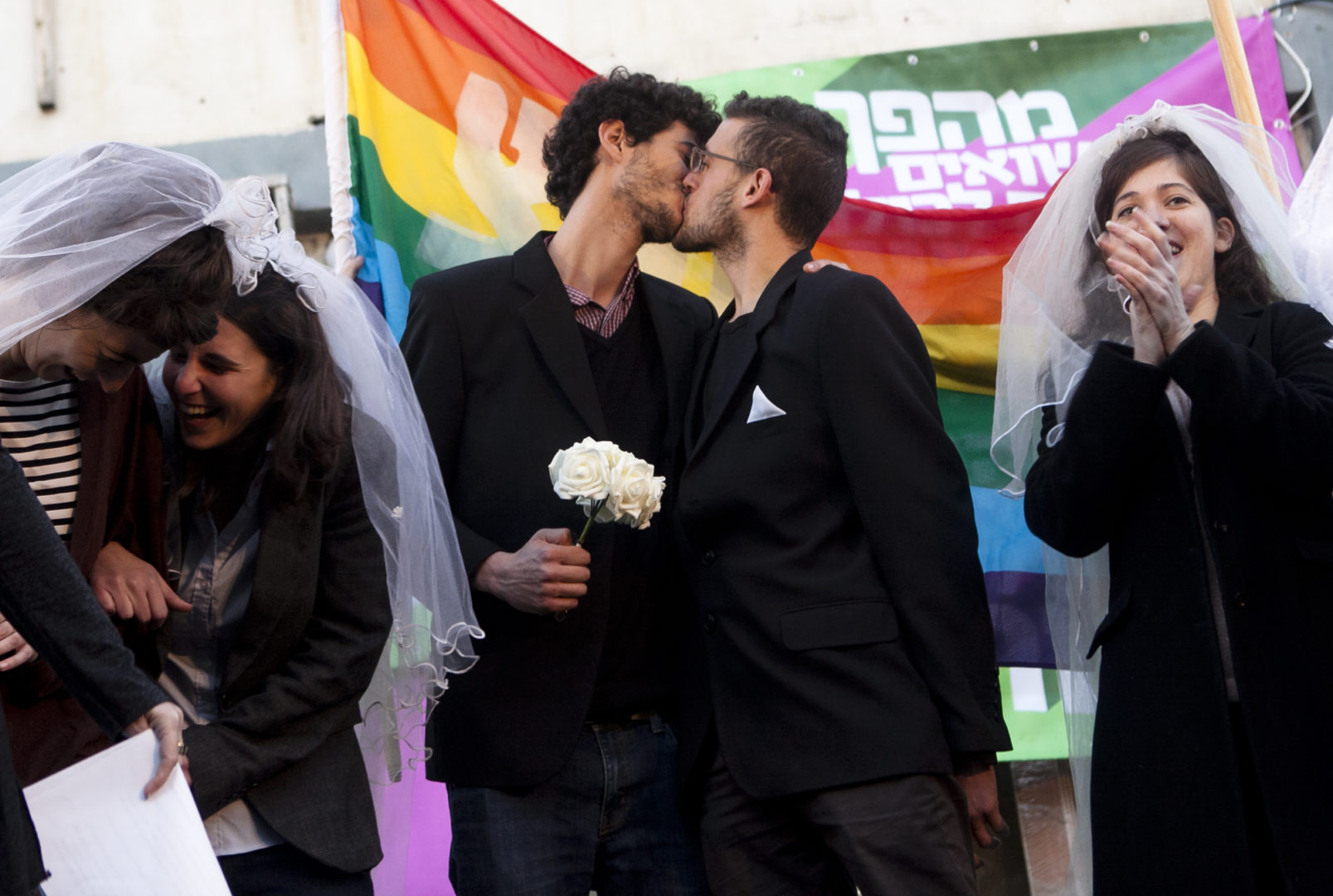
Gay marriage is new to the world, and Hebrew, a gender-based language, has to face the music and find new ways to talk about it
Read More: You Don’t Own Me
Guy’s recent Skype chat with Patrons covered, among other things, California’s wildfires and Hebrew podcasts produced by the Israeli Broadcasting Corporation.
Read More: Meet The Patrons: Wildfires & Podcasts
The word ‘shavé’ means ‘equal,’ but in slang it also means ‘worth it’, and sometimes ‘cool,’ ‘amazing,’ or ‘good looking.’
Read More: All Things Being Equal
You’ll hear it all the time — when you’re handed a music show ticket, getting the menu, or receiving your shopping bag from the cashier: ‘tehenu’ means ‘enjoy.’ Guy explains how to use this word and its root.
Read More: A Bundle of ‘Enjoy’
Aharei ha-hagim, “after the holidays” is almost here. That’s a good enough reason to talk about the root alef-het-resh, which means after, late, and tardiness.
Read More: Better Late Than Never
המילה “אשכרה” היא מילה חשובה בסלנג הישראלי העכשווי. איך משתמשים בה? ואיך כל זה קשור לתכנית בידור בטלוויזיה האפגנית?
Read More: סטריטווייז היברו פלוס: אשכרה, גם אני