
language

Do You Even Care?

“Lo ichpat li” — I don’t care — is a very useful expression. It is used for all things caring, like: “Do you even care?” and “You don’t care about me?” It is especially useful with drama queens of all sorts.

Read More: Do You Even Care?

Drive My Car

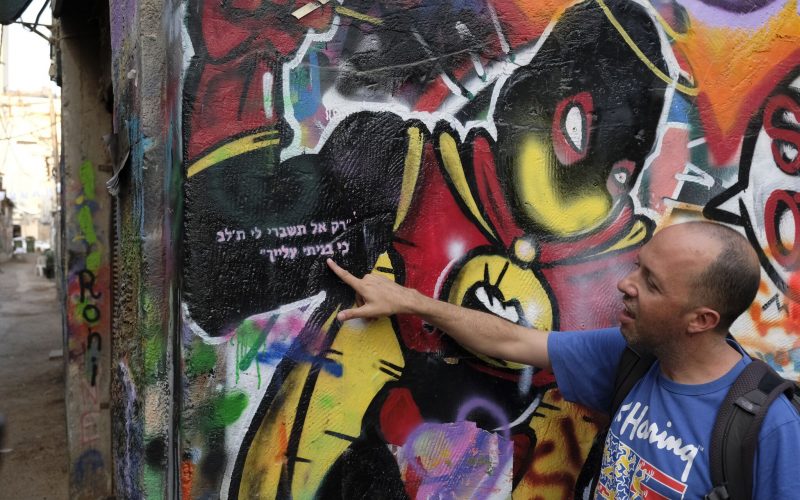
“Linhog” means to drive, but when its root nun-hey-gimmel is taken to other verb formats, it takes on new meanings that tell us how to behave, how to lead, and more.

Read More: Drive My Car

Breaking Point

The root shavar gives Hebrew its words for break, broke, broken. There are plenty of unexpected phrases to learn with this root, one of which is not for kids.

Read More: Breaking Point

Food for Thought

How do you say Thai food in Hebrew? How about “I don’t eat coriander?” This episode is a feast of tasty eating-related words and phrases.

Read More: Food for Thought

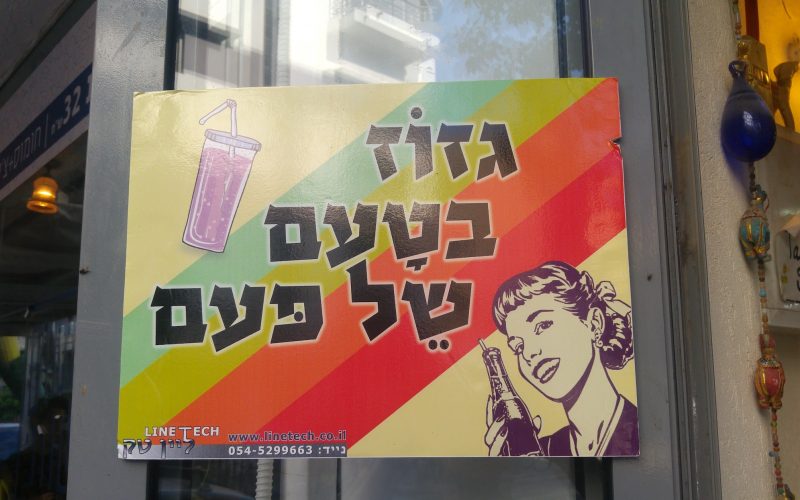
A Matter of Taste

The Hebrew word טעים means tasty, and its root, טעמ, makes up a whole family of culinary terms that are important to know

Read More: A Matter of Taste

Giving Two Hundred Percent

To mark episode 200, learn to say matayim, two hundred in Hebrew, and to talk about this special suffix for pairs, ‘ayim’.

Read More: Giving Two Hundred Percent

Dream a Little Dream of Me

Halom is a dream in Hebrew, plural, Halomot. There are lots of songs about halomot, which is great. But how is it related to Guy’s grandpa?

Read More: Dream a Little Dream of Me

Pick Up After Your Dog With “Tarimu”

‘Tarimu’ means ‘pick up,’ as in, pick up after your dog. It has other meanings as well, especially within Tel Avivi gay lingo.

Read More: Pick Up After Your Dog With “Tarimu”

Straighten Those Split Ends

The root חל”ק has many meanings involving separation, borders and partitions — but can also come up at the hair stylist, in a stadium or even on a banana peel.

Read More: Straighten Those Split Ends

Got Chutzpah

Chutzpah — when is it positive and when is it negative? And what’s “hutzpah israelit”?

Read More: Got Chutzpah